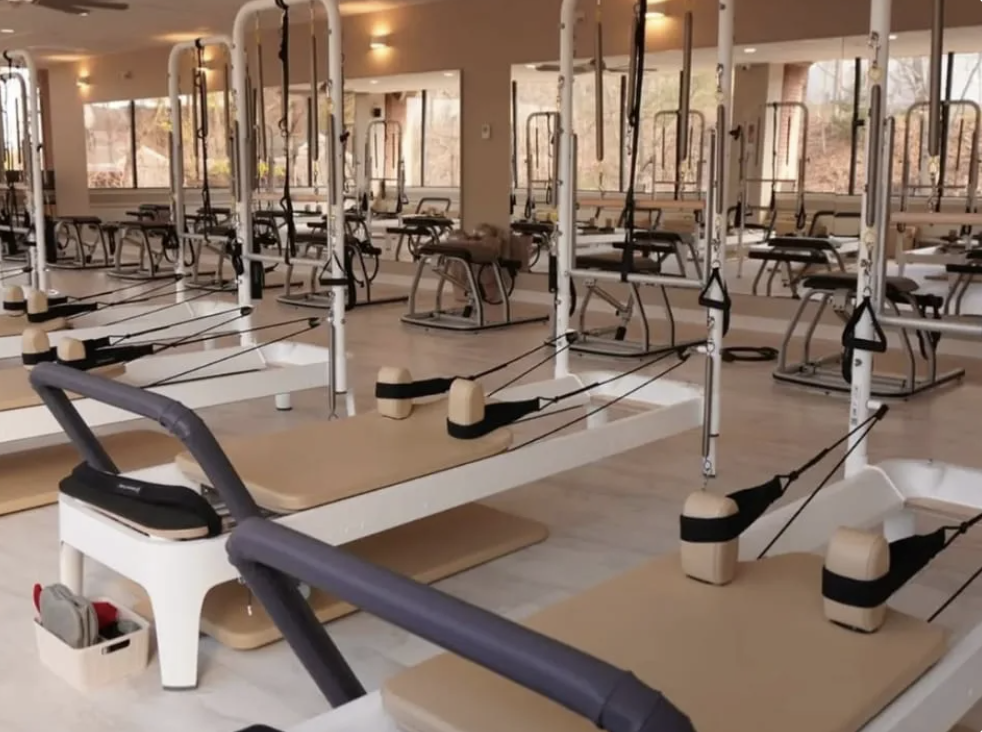
From Pain to Pilates: How Physical Therapy Helps Pilates Athletes & Instructors Move with Confidence
From Pain to Pilates: How Physical Therapy Helps Pilates Athletes & Instructors Move with Confidence
Love Pilates but struggling with pain, an injury, or recurring discomfort? Whether you're a regular at your favorite Pilates studio, just getting started on the reformer, or an instructor teaching multiple classes a day, your body needs the strength, stability, & mobility to keep up with the demands of Pilates.
At Strive2LiveWell Physical Therapy & Wellness in Shelton, CT, we understand that Pilates is more than just a workout. For many, it's a passion, a routine, a community, or even a career.
When pain or injury gets in the way, our goal isn't simply to help you feel better. It's to help you get back to the movements you love, stronger & more confident than before.
Can You Get Injured Doing Pilates?
Pilates is known for improving core strength, flexibility, balance, & body awareness. However, like any physical activity, Pilates places demands on your muscles, joints, & connective tissues.
Repetitive movements, insufficient strength or stability, training beyond your current capacity, & underlying joint hypermobility can contribute to pain or injury.
Some common issues Pilates participants & instructors may experience include:
Lower Back Pain: Discomfort during spinal articulation, roll-ups, or exercises requiring sustained core control.
Hip Pain or Impingement: Pinching, tightness, or discomfort during leg circles, hip flexion, or reformer exercises.
Shoulder & Neck Pain: Strain from planks, weight-bearing movements, or repetitive upper-body exercises.
Wrist Pain: Irritation from prolonged weight-bearing positions or repeated transitions.
Knee Pain: Discomfort during lunges, squats, or movements requiring single-leg stability.
Muscle Strains & Overuse Injuries: Repetitive loading without adequate recovery or strength to support the movement.
While these issues can occur during Pilates, that doesn't necessarily mean you need to stop doing it altogether.
Physical therapy can help identify why a movement is painful & what needs to change so you can safely return to your practice.
Physical Therapy for Pilates Instructors: Taking Care of the Body That Takes Care of Others
Pilates instructors spend countless hours demonstrating exercises, correcting form, transitioning between positions, & moving around the studio.
Even though teaching Pilates promotes movement & wellness, the physical demands of instructing multiple classes can add up.
As an instructor, you may experience:
Persistent soreness after long teaching days
Neck, shoulder, or lower back pain from repeated demonstrations
Hip or knee discomfort during certain movements
Fatigue from teaching & maintaining your own workouts
Recurring injuries that make it difficult to demonstrate exercises confidently
At Strive2LiveWell, we recognize that your body is an essential part of your career.
Our physical therapists work with you to understand the specific demands of teaching Pilates, including the movements you demonstrate most often, your teaching schedule, & the physical challenges you experience throughout the day.
Through individualized physical therapy, we can help you build strength, improve movement efficiency, manage recurring discomfort, & develop strategies to support your body through a busy teaching schedule.
The goal? Keep you doing what you love without constantly working around pain.
Pilates & Hypermobility: Why More Flexibility Isn't Always Better
Pilates often attracts individuals who naturally have excellent flexibility & range of motion. But what happens when your joints move too much?
Joint hypermobility occurs when joints move beyond the typical range of motion. While some individuals with hypermobility experience no symptoms, others may struggle with joint instability, recurring pain, muscle fatigue, or difficulty controlling movements.
For someone with hypermobility, being able to achieve a position doesn't always mean they have the strength & control to maintain it safely.
This is particularly important in Pilates, where controlled movement, flexibility, & stability all play significant roles.
Signs Hypermobility May Be Affecting Your Pilates Practice
You are naturally very flexible but struggle with stability.
Your joints frequently pop, click, or feel unstable.
You experience recurring hip, shoulder, knee, or lower back pain.
You find yourself relying on flexibility rather than muscular strength.
You fatigue quickly when trying to hold controlled positions.
You frequently feel tight despite having a large range of motion.
For individuals with hypermobility, the answer isn't necessarily more stretching.
Instead, physical therapy may focus on building strength, improving joint stability, developing body awareness, & learning how to control movement throughout your available range of motion.
This allows you to continue enjoying Pilates while developing the muscular support your joints need.
Meet Dr. Becca: A Pilates athlete looking to help other
Pilates athletes feel their best
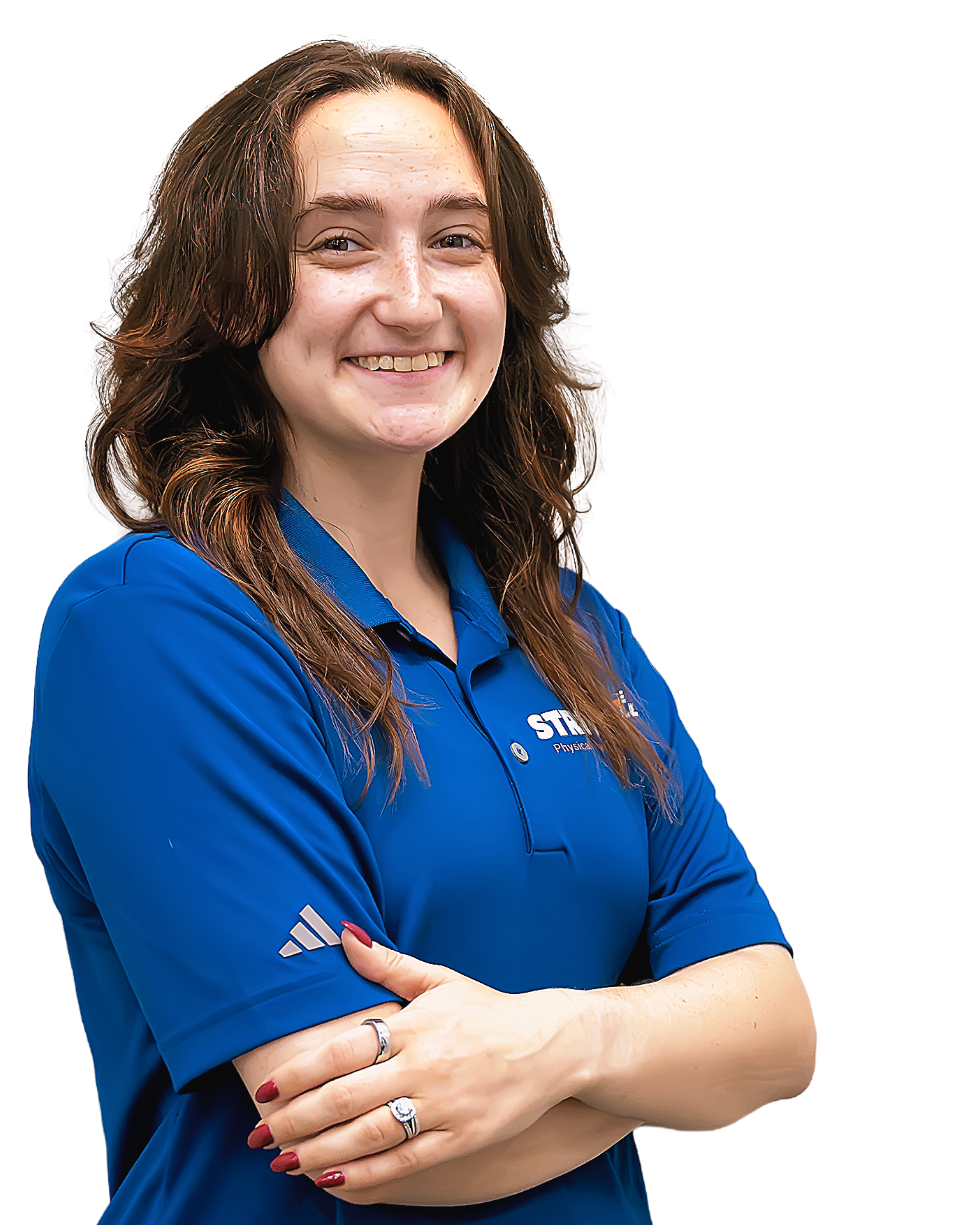
At Strive2LiveWell, Dr. Becca specializes in working with women involved in sports & physical activity, including women with joint hypermobility.
Her approach recognizes that active women have unique movement demands, training goals, & physical challenges.
Whether you're an experienced Pilates instructor, an athlete incorporating Pilates into your training, or someone who loves the benefits of reformer classes, Dr. Becca focuses on understanding how your body moves & what may be contributing to your symptoms.
For women with hypermobility, this can be especially valuable.
Rather than simply focusing on increasing flexibility, Dr. Becca emphasizes developing the strength, control, & stability needed to support movement.
Her treatment approach may include:
Individualized Strength Training: Building muscular support around joints that may be experiencing instability.
Core & Hip Stability: Improving control during movements commonly performed in Pilates.
Movement Assessment: Identifying movement patterns, strength deficits, & areas of excessive joint motion that may contribute to discomfort.
Neuromuscular Control: Helping you develop greater awareness & control of your joints throughout movement.
Activity-Specific Rehabilitation: Progressing exercises to prepare your body for the demands of mat Pilates, reformer Pilates, or instructing classes.
The goal isn't to limit what your body can do. It's to help you develop the strength & control to do it confidently.
Why Choose Strive2LiveWell for Pilates-Related Injuries?
At Strive2LiveWell Physical Therapy & Wellness, we believe rehabilitation should be specific to you, your body, & your goals.
That's why we emphasize one-on-one physical therapy, allowing your therapist to focus on your individual needs throughout your treatment.
1. We Look Beyond the Pain
If your hip hurts during footwork on the reformer or your back becomes uncomfortable during roll-ups, simply avoiding the exercise may not address the underlying problem.
We assess strength, mobility, stability, & movement patterns to better understand what is contributing to your symptoms.
2. We Build Strength for Your Specific Movements
Pilates requires coordination, muscular endurance, & control.
Your rehabilitation program is designed to improve the physical qualities needed for your practice, whether that's maintaining pelvic stability, controlling spinal movement, supporting your shoulders, or improving single-leg strength.
3. We Help You Return to Pilates, Not Just Everyday Activities
Being able to walk, sit, or perform daily tasks without pain is important, but it may not mean you're ready to return to a challenging Pilates class.
We work toward the specific demands of your activity, gradually progressing exercises so you can return to the movements & positions that matter to you.
For instructors, that may mean preparing your body to tolerate repeated demonstrations & long days of teaching.
4. We Help You Stay Active Long-Term
Our goal extends beyond resolving your current symptoms.
We want you to understand your body, recognize when modifications may be helpful, & develop the strength & confidence to continue participating in Pilates for years to come.
Do You Need to Stop Pilates While Recovering from an Injury?
Not necessarily!
One of the biggest misconceptions about injury recovery is that you need to completely stop the activities you enjoy.
Depending on your injury & symptoms, your physical therapist may recommend temporarily modifying certain exercises, reducing resistance or range of motion, or adjusting your training frequency.
For example, you may need to modify a plank, reduce spring resistance on the reformer, or change how you perform certain hip movements while building strength & tolerance.
The goal is to keep you moving safely while addressing the factors contributing to your pain.
Physical therapy can help bridge the gap between recovering from an injury & confidently returning to your full Pilates routine.
Get Back to the Reformer with Strive2LiveWell
Whether you're dealing with a new injury, persistent discomfort, joint hypermobility, or pain that's interfering with your ability to teach Pilates, you don't have to keep pushing through it.
At Strive2LiveWell Physical Therapy & Wellness in Shelton, CT, we provide individualized, one-on-one care designed to help active individuals return to the activities they love.
With Dr. Becca's focus on women's sports & hypermobility, our team can help you improve strength, build stability, & work toward returning to Pilates with greater confidence.
Don't let pain keep you off the reformer or away from the studio.
Contact Strive2LiveWell Physical Therapy & Wellness today to schedule an evaluation & take the first step toward getting back to Pilates!
