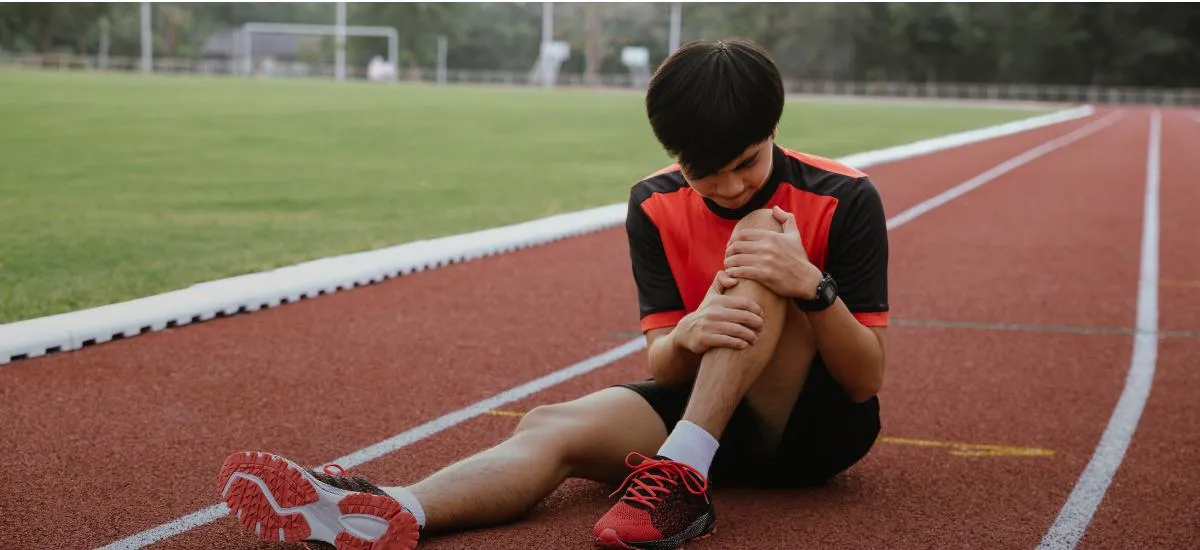
Growing Pains or Something More? When Should Your Child See a PT?
Growing Pains or Something More? When Should Your Child See a PT?
Kids are constantly growing, moving, running, jumping, and playing. It’s not uncommon for parents to hear, “My legs hurt,” “My knee hurts,” or “My feet are sore.” Sometimes these aches are simply part of being an active, growing child. But other times, persistent or activity-related pain can be a sign that something more is going on.
At Strive2LiveWell Physical Therapy & Wellness, our pediatric and sports physical therapy approach is designed to help parents understand the difference between normal aches and pains and symptoms that deserve a closer look. Early evaluation can help identify movement or strength deficits before they become bigger problems — allowing kids to stay active, confident, and involved in the activities they love.
What Are “Growing Pains”?
Growing pains are a common complaint in children, particularly during periods of rapid growth. They typically occur in the legs and muscles, often affecting both sides of the body.
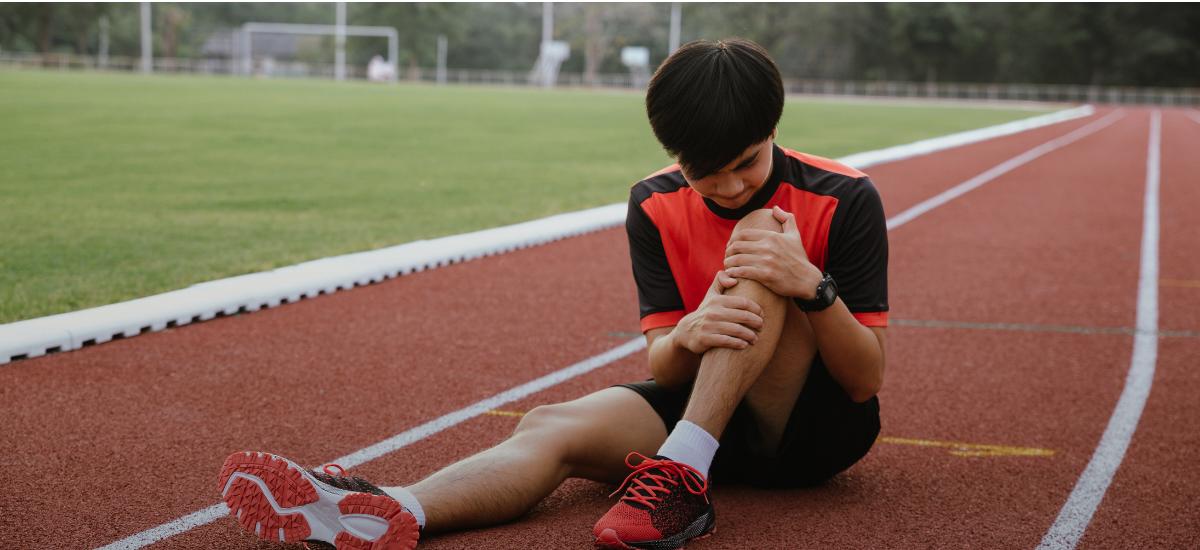
Classic growing pains tend to:
Occur in both legs
Be more noticeable in the evening or at night
Not interfere significantly with daytime activities
Resolve by morning
Not cause swelling, redness, or significant changes in movement
Occur without a specific injury
While growing pains are generally not considered harmful, not every ache or pain a child experiences should automatically be attributed to growing.
When pain becomes persistent, affects activity, or changes how your child moves, it may be time to take a closer look.
When Is Pain More Than “Growing Pains”?
Parents know their children best. If you notice that your child is repeatedly complaining about pain or avoiding activities they normally enjoy, that can be an important signal.
Some signs that may warrant a physical therapy evaluation include:
Persistent or Recurring Pain
Pain that continues for several weeks, repeatedly returns, or gradually becomes more frequent should not simply be dismissed as growing pains.
Pay attention if your child:
Complains about the same area repeatedly
Has pain that doesn't seem to improve with rest
Frequently asks to sit out of activities
Requires frequent medication for pain
Has pain that continues to interfere with everyday activities
A PT evaluation can help determine whether strength, mobility, movement mechanics, or training demands may be contributing to the problem.
Pain During or After Activity
Some soreness after a particularly challenging practice or game can be normal.
However, pain that consistently occurs during running, jumping, cutting, throwing, dancing, tumbling, or other activities deserves attention.
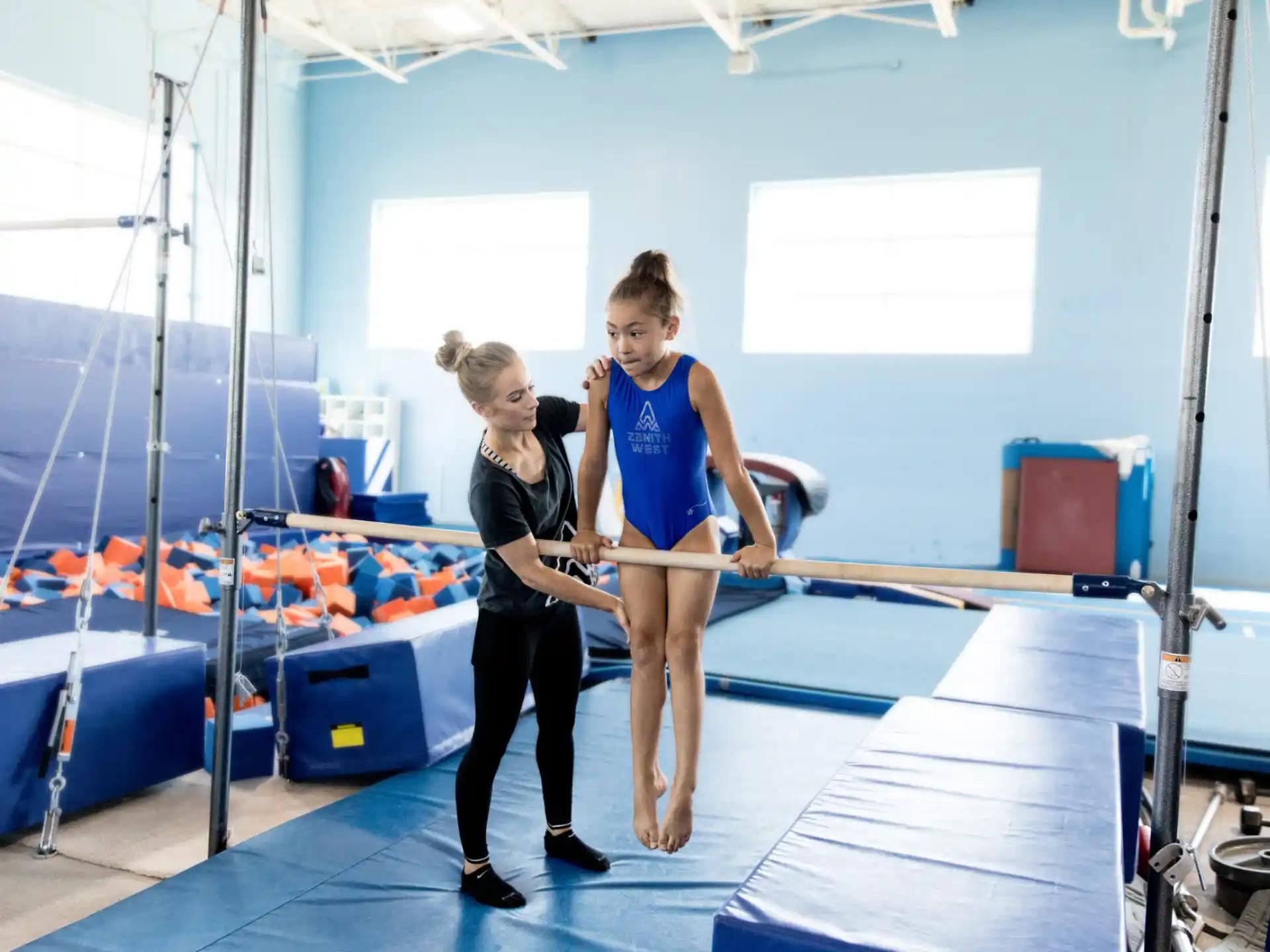
For example, your child may:
Develop knee pain every time they run
Experience heel pain after sports
Have recurring ankle pain during practice
Develop hip or back pain with activity
Experience pain that increases throughout a practice or game
Rather than repeatedly resting until the pain goes away — only for it to return when activity resumes — a physical therapist can evaluate why the pain is occurring in the first place.
Limping or Changes in the Way Your Child Moves
One of the biggest things parents can watch for is a change in movement.
If your child starts limping, avoiding one leg, or moving differently because of pain, it is worth paying attention.
You may notice:
Limping while walking or running
Avoiding stairs
Favoring one side
Running differently than usual
Avoiding jumping or landing on one leg
Sitting out of activities they normally enjoy
Changes in posture or walking mechanics
Children may not always be able to explain exactly what hurts or why they are moving differently. Sometimes their movement tells the story before they can put it into words.
Weakness or Difficulty Keeping Up
Pain isn't the only reason a child may benefit from physical therapy.
Sometimes the first sign of a problem is difficulty keeping up with peers or performing activities that used to be easy.
Parents may notice that their child:
Tires quickly during sports
Struggles with running or jumping
Has difficulty with balance
Frequently trips or falls
Has difficulty with stairs
Struggles to perform age-appropriate movements
Has noticeable differences in strength from one side to the other
These signs don't necessarily mean that something is seriously wrong. They may simply indicate that your child could benefit from strength, coordination, balance, or movement training.
Common Pediatric Conditions Physical Therapy Can Help With
Children and young athletes can experience many of the same orthopedic and sports-related issues as adults — but their growing bodies require a different approach.
At Strive2LiveWell, physical therapy may be appropriate for children experiencing:
Lower Extremity Pain
Knee pain
Heel pain
Foot and ankle pain
Shin pain
Hip pain
Muscle strains
Recurrent ankle sprains
Growth-Related Conditions
Osgood-Schlatter disease
Sever's disease
Other activity-related growth plate irritation
Sports & Activity-Related Injuries
Sprains and strains
Overuse injuries
Running-related pain
Jumping and landing-related injuries
Return-to-sport following injury
Movement & Performance Concerns
Balance deficits
Strength differences
Poor running mechanics
Difficulty with jumping or landing
Coordination challenges
Reduced mobility
The goal isn't simply to treat the painful area. We want to understand how your child moves, what they are asking their body to do, and what may be contributing to their symptoms.
When Should You Call the Pediatrician First?
Physical therapy can be helpful for many musculoskeletal concerns, but there are situations where a child should be evaluated by their pediatrician or other medical provider.
Parents should seek medical evaluation for symptoms such as:
Significant swelling, redness, or warmth
Severe or rapidly worsening pain
Inability to bear weight
Significant pain following a major injury
Fever or signs of illness accompanying musculoskeletal pain
Pain that consistently wakes a child from sleep
Unexplained weight loss or other concerning systemic symptoms
When you're unsure, it's always appropriate to contact your child's pediatrician. Your child's healthcare team can help determine the appropriate next step.
What Happens During a Pediatric PT Evaluation?
A pediatric physical therapy evaluation isn't simply about asking, “Where does it hurt?”
We look at the bigger picture.
Depending on your child's age and symptoms, an evaluation may include:
Strength testing
Flexibility and mobility assessment
Balance and coordination
Walking and running mechanics
Squatting and jumping mechanics
Single-leg control
Functional movement assessment
Sport- or activity-specific movements
Review of training and activity levels
We also take the time to listen to the child and the parent.
Understanding when symptoms occur, what activities make them better or worse, and how they affect your child's daily life can provide valuable information.
Early Intervention Can Keep Kids Doing What They Love
One of the biggest advantages of addressing movement problems early is the opportunity to identify small issues before they become bigger limitations.
A child who has recurring knee pain may benefit from improving strength and movement control. An athlete with repeated ankle sprains may need better balance and stability. A young runner with recurring heel pain may need adjustments to their training and movement strategy.
Physical therapy can help children develop the strength, mobility, coordination, and confidence they need to participate safely in the activities they enjoy.
Growing Pains or Something More?
Not every childhood ache requires physical therapy. Kids get sore. They have bumps, bruises, and occasional aches — especially when they're active.
But if pain is persistent, repeatedly returns, occurs with activity, causes limping, leads to weakness, or changes the way your child moves, it's worth having it evaluated rather than assuming it's simply growing pains.
At Strive2LiveWell Physical Therapy & Wellness, our goal is to help children and young athletes move confidently, stay active, and build healthy movement habits that can last a lifetime.
If your child is experiencing recurring pain, struggling with an activity, or moving differently than they used to, a physical therapy evaluation may be a helpful next step.
Not sure if your child's symptoms are something to be concerned about?
Contact Strive2LiveWell Physical Therapy & Wellness today to learn more about pediatric physical therapy and determine whether an evaluation may be appropriate for your child.
